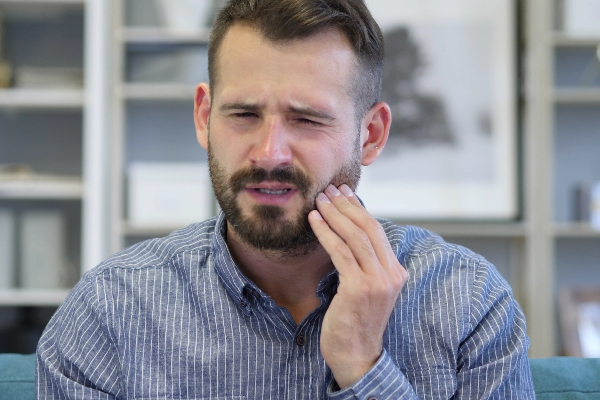
One of the most important roles of dentistry is to prevent and treat tooth decay. According to The American Dental Association, it affects 91% of Americans by the time they reach the age of 20. Fortunately, dentists are trained and equipped to remove tooth decay and restore a patient's good oral health.
The progression of tooth decay
In order for decay to begin, the tooth enamel has to be weak enough to break down and allow bacteria to pass through. As demineralization occurs, a white spot often appears on the surface of the tooth, which is a sign the enamel is weakening in that area and prone to decay in the very near future.
Once the enamel surface has broken down, bacteria can enter and start to eat away at the hard surfaces of the tooth, forming a cavity. Cavities can cause further discoloration of the enamel, usually turning it a shade of brown around the area. They often cause some tooth pain or sensitivity as well.
Over time, decay can make its way into the pulp and roots of the tooth, where it can cause serious pain and damage. Once decay reaches this stage, it can significantly weaken the tooth structure and lead to cracks, chips, or crumbling of the tooth. The patient is now at risk for infection and even total tooth loss.
Options for removing and treating tooth decay
Dentistry can successfully address tooth decay at every stage. However, the type of treatment needed will vary greatly depending on the progression of the dental disease. Patients may also have some options and should discuss every possibility with their dentist.
Early stages
Before the enamel is completely worn down in a certain spot, dentists can sometimes use fluoride treatments to remineralize the tooth and strengthen the outer covering. Thorough cleanings and tartar removal can help prevent further enamel erosion, along with avoiding sugary and acidic foods.
Minor to moderate decay
Once a cavity develops, dentists often need to drill a small hole to access the decay and remove it. The exposed tooth components are cleaned and then sealed for protection and prevention of further decay. In some children, topical treatments can be used to slow the progression of minor tooth decay on baby teeth until they fall out on their own.
Advanced Stages
When tooth decay is severe and has moved into the pulp or roots of the tooth, serious dental work is often required. This may include removing the damaged tooth structure and sterilizing and sealing the affected roots. New prosthetic tooth coverings will then be placed. In serious cases, extraction may be necessary.
Conclusion
Tooth decay is a serious dental problem and should be treated as soon as possible. If left to advance on its own, tooth decay can require extensive dental repairs or may even lead to tooth loss. A dentist can recommend the right treatment plan based on how far the decay has progressed. Patients who schedule dental appointments every six months and see a dentist as soon as symptoms arise can often experience less invasive treatment options.
Request an appointment or call Everest Dental at 407-588-4388 for an appointment in our Oviedo office.
Related Posts
A general dentist serves as the primary point of contact for nearly every oral health need, from routine cleanings to the diagnosis of more complex issues. Deciding between a local family office and a specialist often depends on the specific situation or the complexity of the procedure. Understanding these different roles ensures that dental care…
A dental clinic isn't limited to cleaning and examinations. If you're not confident in your smile, you can turn to your dentist for cosmetic procedures as well. Dental bonding, in particular, is a popular choice for people who want teeth worth showing off.Dental bonding is a simple procedure for repairing teeth or altering their appearance.…
Rather than see a dentist when you have a cavity, why not prevent cavities from happening in the first place? Dental procedures fill in cavities, but you can fill in the gaps in your oral care with a few healthy practices. Use these tips to avoid cavities and improve your oral health.One vital reason to…