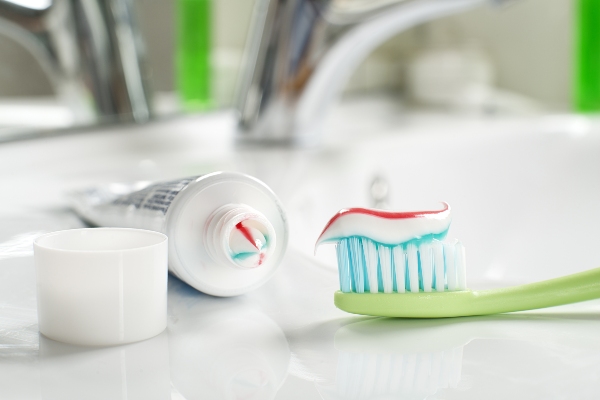
 Dentistry encompasses different services and treatments. A dentist performs preventative care, exams, and various treatments like fillings, root canals, tooth extractions, crowns, and more. Dentistry also includes preventive maintenance, like brushing habits and toothpaste.
What are the different types of toothpaste?
When it comes to oral health, every person has different needs. While some patients may require toothpaste that can slow the decay rate, others may require toothpaste that prevents tartar buildup because of a medical condition. Patients may find the following toothpaste types most often.
Fluoride toothpaste
Toothpaste containing fluoride remineralizes tooth enamel. It bonds to the areas of decay and attracts calcium and other minerals to the site. Additionally, it prevents further corrosion from forming. While fluoride cannot reverse cavities, it can slow the rate of cavities. Dentists may provide high-fluoride toothpaste to patients who have extensive damage. Many kinds of toothpaste contain fluoride in varying amounts.
Children’s toothpaste
Children's toothpaste is different from adult toothpaste. One of the main differences is that children's paste has less fluoride than adult paste. Exposing children to too much fluoride can cause the development of white spots known as fluorosis. Fluorosis occurs if the teeth below the gumline are still developing.
Children also tend to be more resistant to having to brush their teeth. Children's toothpaste tends to have child-friendly flavors or cartoon characters on the bottle.
Whitening toothpaste
While standard toothpaste may remove some surface stains, whitening toothpaste aims to make smiles even whiter. Teeth experience stains on the surface and inside the tooth. Different formulas of whitening toothpaste address different stains. For teeth with surface stains, an abrasive ingredient called silica scrubs the surface stains away. For deep stains, toothpaste may include hydrogen peroxide to bleach the teeth.
Tartar control toothpaste
Tartar is rough, yellow deposits that appear on the gumline. Tartar develops from plaque left on the teeth. Plaque absorbs phosphates and calcium to harden into tartar.
Tartar control toothpaste contains ingredients to fight tartar. Often the paste has an abrasive to remove sticky plaque on the surface. The abrasives polish teeth without causing damage to the enamel. Anti-calculus agents delay plaque calcification. This allows you to remove plaque through brushing to prevent tartar buildup.
Desensitizing toothpaste
Many dental patients suffer from tooth sensitivity. When someone struggles to eat or drink foods on either side of the hot and cold spectrum, they likely have sensitive teeth. Tooth sensitivity tends to occur when the enamel wears down and exposes the dentin.
Toothpaste aimed at sensitive teeth includes three different ingredients: Potassium nitrate, fluoride, and strontium chloride. Potassium nitrate blocks pain transmissions, fluoride strengthens the teeth, and strontium chloride blocks the dentinal tubules openings so hot and cold do not reach the nerve.
Conclusion
Preventative care is a focal point of oral health. When it comes to dental health, regular brushing is necessary to retain healthy teeth. Every person has different needs for their teeth. Preference and oral health needs may determine a person's toothpaste choice.
Request an appointment or call Everest Dental at 407-588-4388 for an appointment in our Oviedo office.
Related Posts
A general dentist serves as the primary point of contact for nearly every oral health need, from routine cleanings to the diagnosis of more complex issues. Deciding between a local family office and a specialist often depends on the specific situation or the complexity of the procedure. Understanding these different roles ensures that dental care…
A dental clinic isn't limited to cleaning and examinations. If you're not confident in your smile, you can turn to your dentist for cosmetic procedures as well. Dental bonding, in particular, is a popular choice for people who want teeth worth showing off.Dental bonding is a simple procedure for repairing teeth or altering their appearance.…
Rather than see a dentist when you have a cavity, why not prevent cavities from happening in the first place? Dental procedures fill in cavities, but you can fill in the gaps in your oral care with a few healthy practices. Use these tips to avoid cavities and improve your oral health.One vital reason to…